The Downtown Cary Median That Describes No House for Sale
October 1, 2026
October 1, 2026
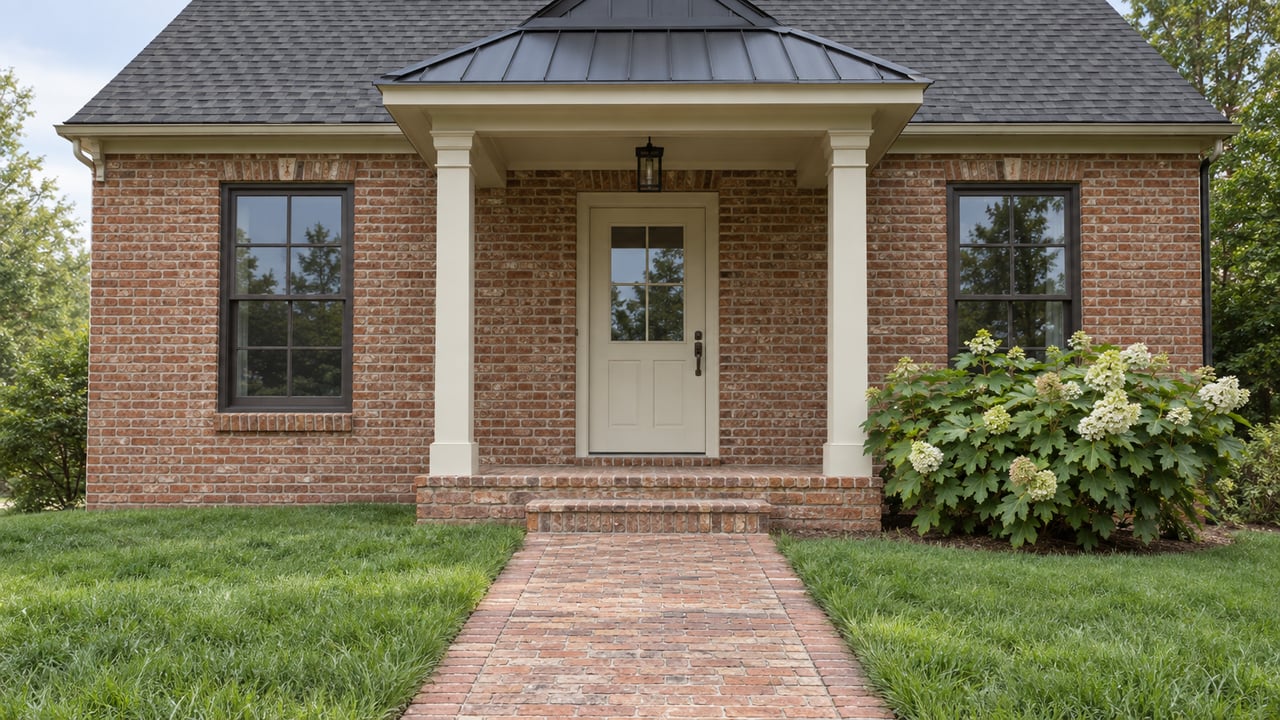
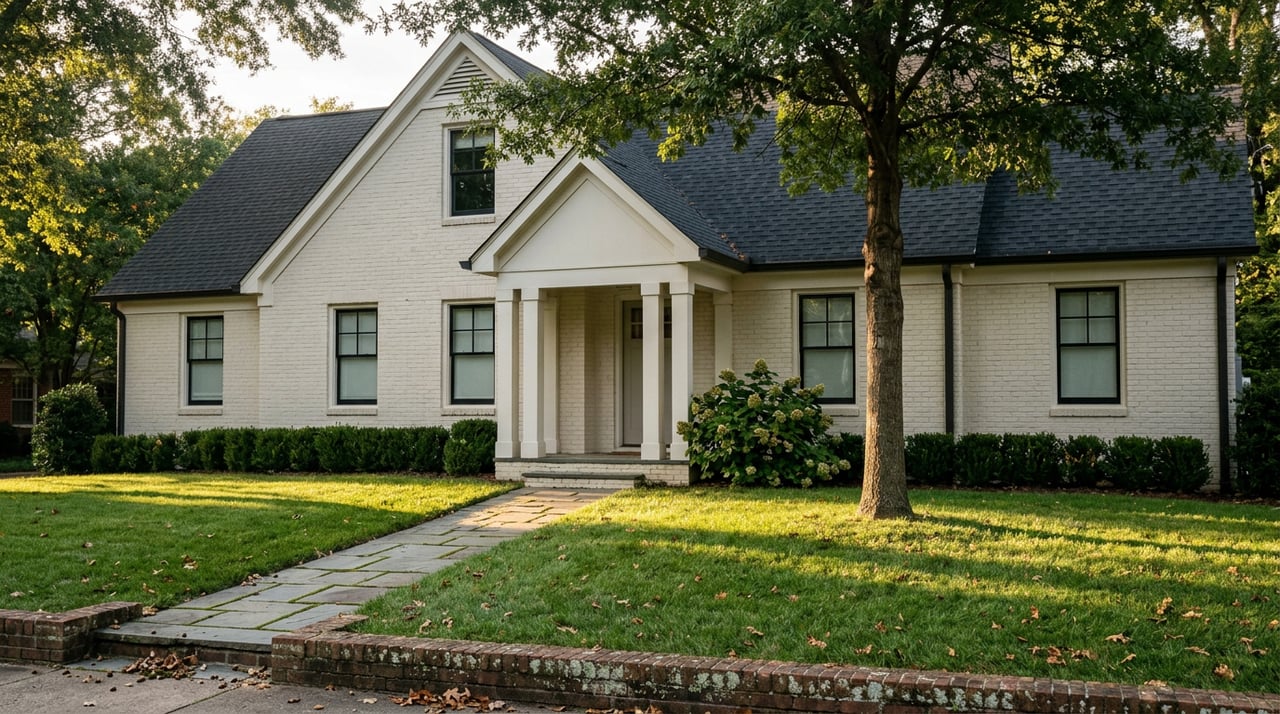
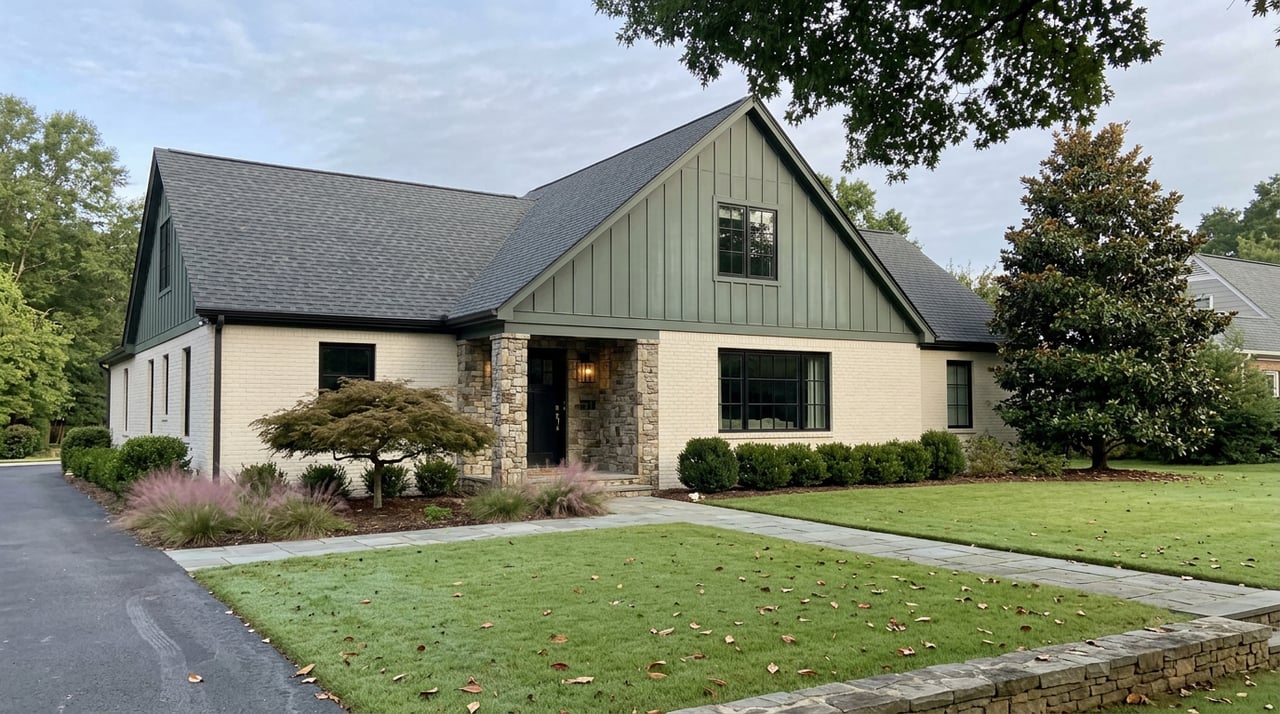
A few blocks off Academy Street sits a brick ranch built in the 1970s, the kind of house that traded for under $400,000 as recently as last year. Two doors down, a framing crew is closing in a two-story replacement on a lot that held a nearly identical ranch eight months ago. When it lists, it will likely clear seven figures. Both houses will show up in the same "Downtown Cary" market data. Neither one is what a citywide median actually describes.
That gap is not a rounding error. It is the reason anyone comparing Cary to Apex, Morrisville, or any other Triangle suburb using a single headline number is working with a figure that increasingly describes no specific property at all.
Downtown Cary's established homes typically run $275,000 to $575,000. New construction and teardown-rebuilds going up on those same streets run $875,000 to $1.6 million. Blend enough of the second category into a given month's closings and the reported area figure drifts toward numbers that match neither the long-owned house near Academy Street nor the spec-built replacement next to it.
The same split shows up, at different altitudes, across Cary's older neighborhoods:
| Neighborhood | Typical Price Band | Turnover Pattern |
|---|---|---|
| Downtown Cary (established resale) | $275K–$575K | Long-held, infrequent listings |
| Downtown Cary (new construction/teardown) | $875K–$1.6M | New inventory, priced separately from resale |
| Preston / Amberly | $700K–$1.1M | Commonly held for 10+ years |
| MacGregor Downs | $450K–$800K | Higher turnover, multiple offers common |
| Carpenter Village | $350K–$600K | Established, steady turnover |
None of these bands is wrong. They're just describing different products that happen to share a zip code, which is exactly why a single citywide median can't hold all of them at once.
If you've pulled Cary numbers from more than one site recently, you've probably noticed they don't match, and the gap isn't small. For the three months ending in May 2026, one national portal reported Cary's median sale price at $630,000, down 1.6 percent year over year, with homes taking a median of 22 days to sell. Around the same window, a separate home-value index put the typical Cary home at $600,054, down 1.4 percent year over year. A locally focused read of the same MLS activity, current through June 2026, showed a median of $645,000, up 3.53 percent year over year, homes selling in a median of 43 days, and just 1.04 months of supply on the market.
Three sources, one town, three different directions. This isn't a data quality problem. It's a mix-shift problem. Cary is a built-out suburb running low on vacant ground for large subdivisions, so new construction has shifted toward condos, townhomes, and infill projects rather than sprawling single-family developments. When a given month's closings include proportionally more of that lower-priced new-construction and condo product, the citywide median falls even though no individual home lost value. When the mix tilts back toward established single-family resale, the median climbs, again with no individual home appreciating any faster. One local market read for May 2026 also flagged new listings down nearly 17 percent year over year even as buyer demand held steady, which compounds the effect: fewer resale listings means the mix each month is more sensitive to whatever new-construction inventory happens to close.
Price per square foot survives this noise better than the median does, because it normalizes for size regardless of which product category is selling. On that measure, Cary has been running around $261 to $264 per square foot through mid-2026.
The push toward Cary's walkable center isn't happening in a vacuum. Downtown Cary Park, the seven-acre space that opened in November 2023, drew more than 750,000 visitors in its first year and was ranked the country's top public playground by USA Today in 2025. The town's own 2026 State of Cary address projects the park will generate $16 million in annual economic impact.
At the other end of downtown, Fenton is doing similar work at a larger scale. The 92-acre mixed-use development at Cary Towne Boulevard and I-40 carries an approved buildout of up to 1.2 million square feet of office space, 575,000 square feet of commercial space, 920 dwelling units, and 450 hotel rooms. Its retail roster already includes Williams Sonoma, Warby Parker, Pottery Barn, Free People, and Arhaus alongside local names like Bailey's Fine Jewelry, and its restaurant lineup pulls in Durham's M Sushi and Raleigh's Dram & Draught alongside out-of-state concepts like Colletta and Superica.
Downtown proper keeps adding to that pull. Lloyd's, a restaurant renovation going into the old Gurkan's Auto building at Chatham and Academy, was approved in 2024 and is under construction now, with an opening anticipated in late 2026. When a walkable core keeps adding amenities like this, it changes what "close to downtown" is worth on a resale lot, independent of anything happening to the citywide median.
On April 10, 2026, Cary's Town Council unanimously adopted ACT 32, a significant update to the town's Land Development Ordinance governing accessory dwelling units. The change took effect June 2, 2026, and it allows ADUs in every residential zoning district where detached dwellings are already permitted, with larger maximum sizes than the prior rule allowed. Setbacks and HOA restrictions still apply, but the barrier to adding a second unit on an existing lot just got meaningfully lower.
That matters for exactly the kind of legacy lot sitting near Academy Street. For a teardown-and-rebuild project, land typically represents 15 to 40 percent of total project cost, and standard single-family construction in Cary runs roughly $235 to $314 per square foot, putting a 2,400-square-foot rebuild's hard costs somewhere between $565,000 and $755,000 before land and soft costs. ADU construction runs higher per square foot, roughly $274 to $412, but on a lot that already qualifies under the new ordinance, an owner now has two distinct paths to increasing value: a full teardown-rebuild, or keeping the existing house and adding a second unit for rental income or multigenerational use. For the teardown-and-rebuild path, Speight Built specializes in infill construction and teardown-rebuild projects specifically within Cary's established neighborhoods.
Either path changes what "comparable" means on a given street. A house that sold as a straightforward resale eighteen months ago might now be evaluated against its redevelopment potential, which is a different number entirely and one that a citywide median has no way to capture.
If you're weighing Cary against nearby towns on price alone, the citywide figures make the comparison look simpler than it is. Apex, over the three months ending June 2026, sold at a median of $622,000 and roughly $244 per square foot, with homes taking about 32 days to close. Morrisville's reported medians land lower, commonly cited in the mid-$400,000s, but that comes with smaller lots and a noticeably thinner pool of active listings than either Cary or Apex offers.
None of those citywide numbers will price an individual house correctly. The more reliable approach starts with recent closings of the same property type inside a tight radius, matched on size and condition before anything else, with the citywide figures used only as a sanity check rather than as the answer. A home valuation built from that kind of comp set will tell you far more about what a specific Cary address is worth right now than any headline pulled from a portal's homepage.
Does a falling reported median mean Cary is getting more affordable? Not necessarily. A falling median can reflect more new-construction and condo closings entering the mix rather than any decline in what individual homes are worth. Price per square foot within a specific property type is a steadier read.
Will the new ADU ordinance lower prices in established Cary neighborhoods? It changes what's buildable on existing lots more than it changes prices directly. A lot that now qualifies for a larger ADU under ACT 32 may carry higher redevelopment value even as it adds housing units to the area.
What's the practical difference between Downtown Cary and Fenton? Downtown Cary is the walkable legacy core along and near Academy Street, built mostly on older single-family lots now facing teardown and infill pressure. Fenton is the newer 92-acre mixed-use district at Cary Towne Boulevard and I-40, built from the ground up as retail, office, hotel, and residential space rather than redeveloped from existing housing stock.
If you're trying to figure out what a specific Cary lot, listing, or teardown candidate is actually worth against this shifting mix, Nev Nelson can walk through the comps with you and separate the number that matters from the one that just looks tidy on a portal.
This article is general information, not legal, tax or financial advice. Consult a qualified professional about your situation.
Stay up to date on the latest real estate trends.

Whether you are a first-time buyer, a seasoned investor, or somewhere in between, I bring Raleigh / Triangle market knowledge and personal attention that make all the difference. I take time to understand your goals and tailor every step of the process to fit your needs. From strategy to closing, I ensure you feel confident and well-informed throughout your real estate journey.
Nev Nelson
201 Commonwealth Court, Suite 100 Cary, NC 27511